NextCycle Washington Hits the Road
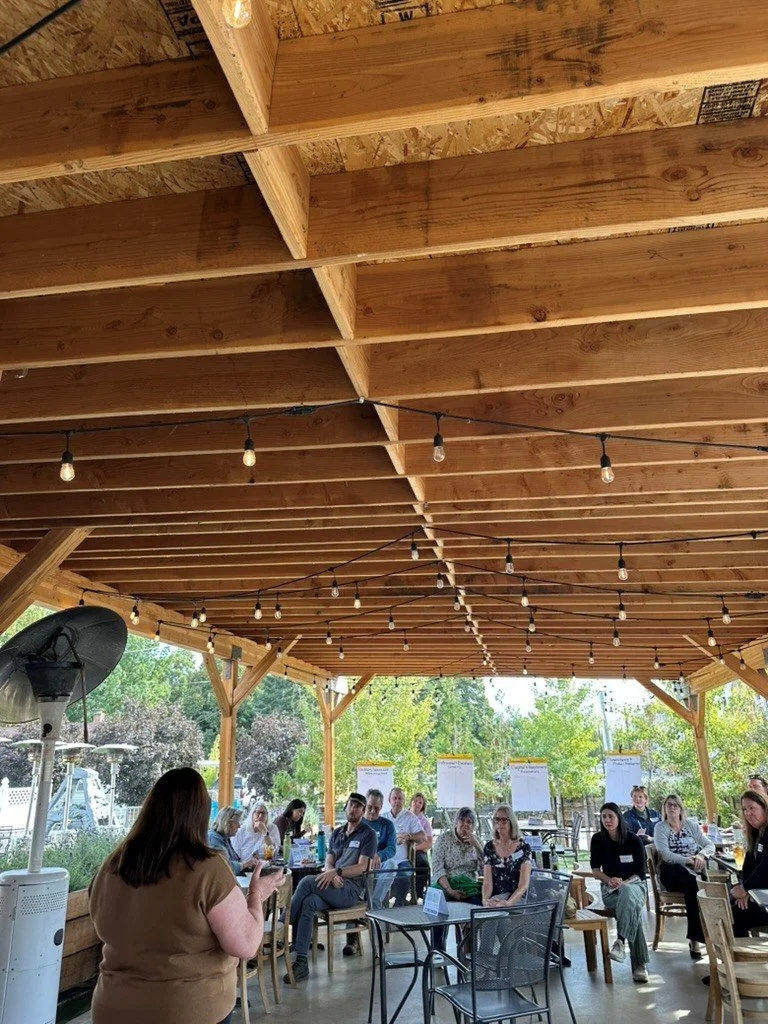
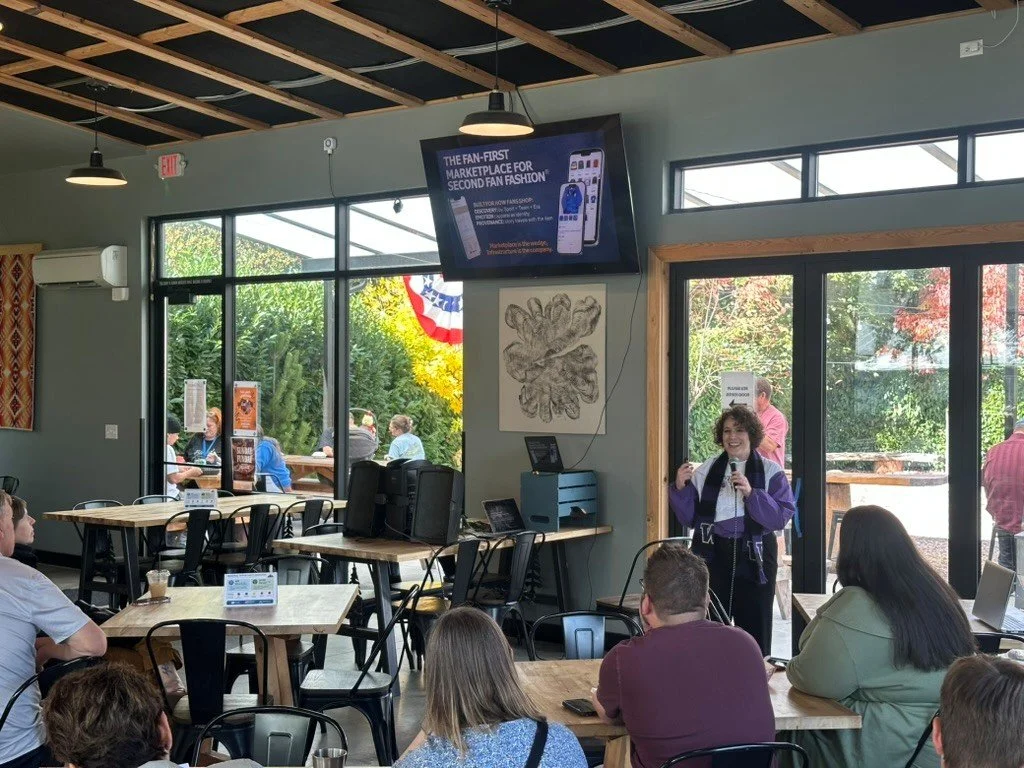
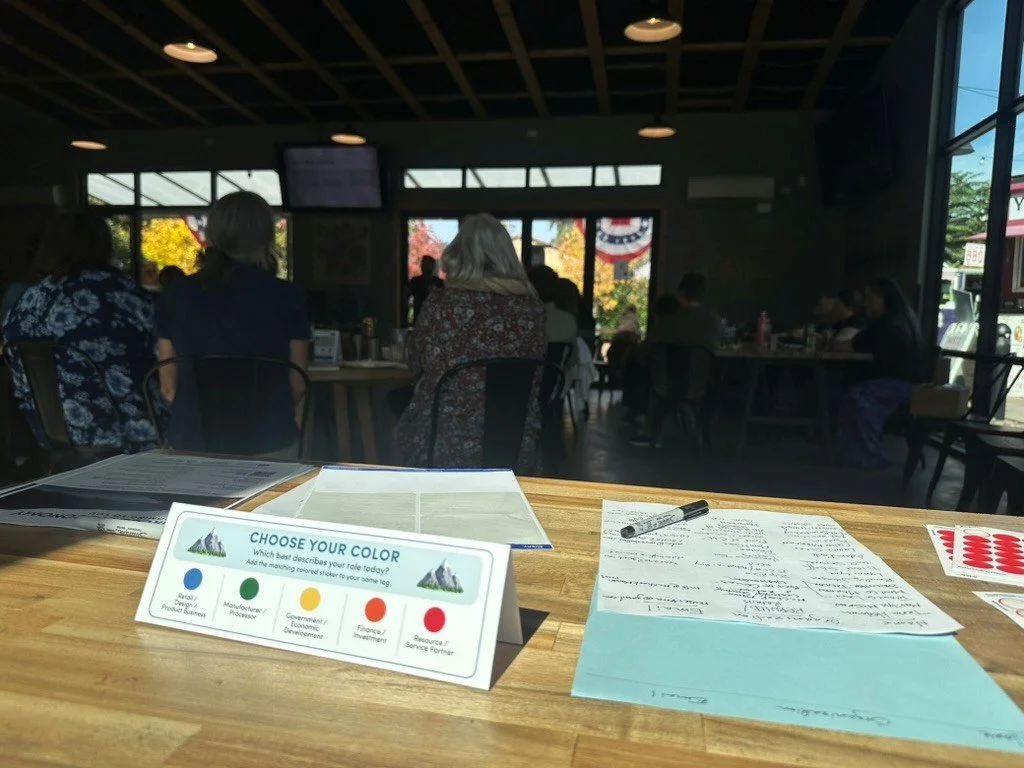
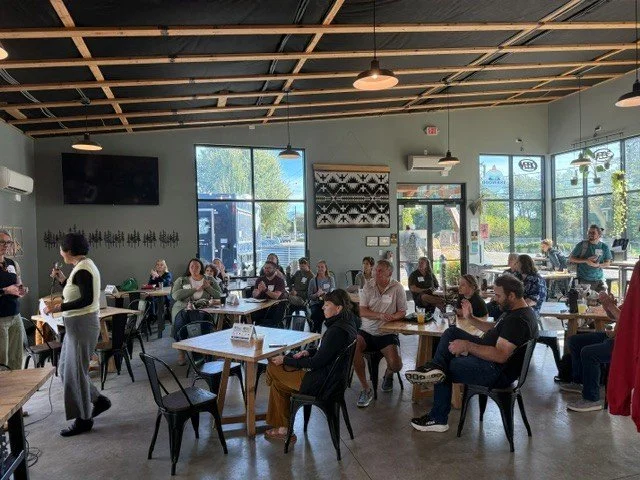
In October, NextCycle Washington and the Good Business Network of Washington co-hosted regional circular economy workshops in Camas-Washougal and Wenatchee. Businesses, community organizations, and regional partners gathered to exchange ideas, build relationships, and explore ways to collaborate. At its core, the circular economy is about keeping materials and products in use longer, reducing waste, and creating new economic opportunities by making better use of resources. NextCycle Washington is operated by RRS, Cascadia Consulting Group, Start Consulting, and Traversal for the Washington State Department of Ecology.
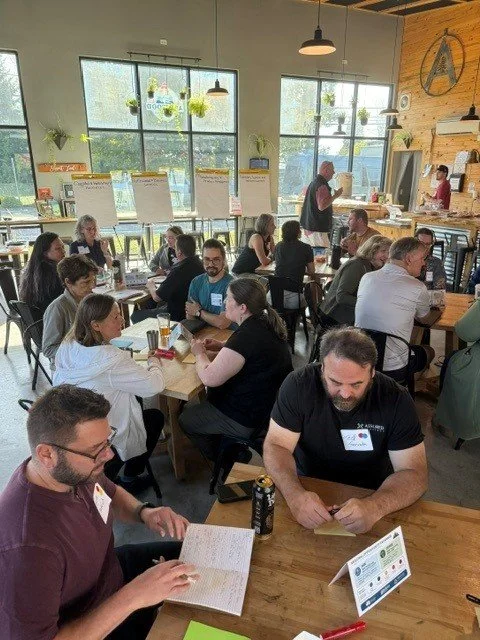
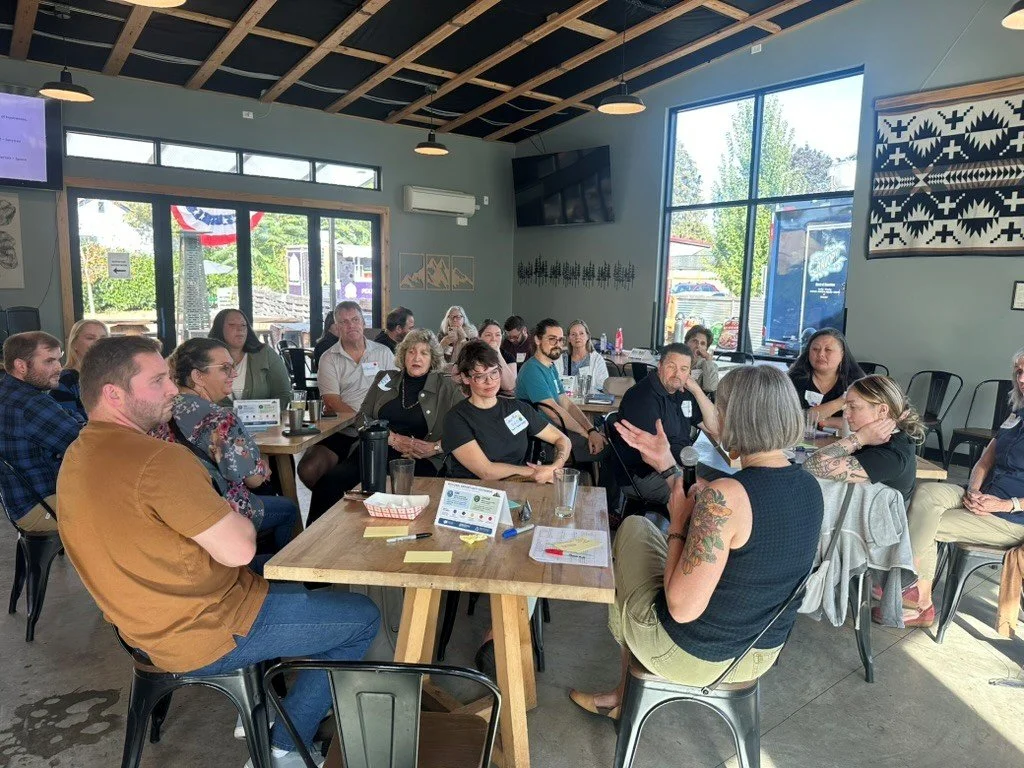
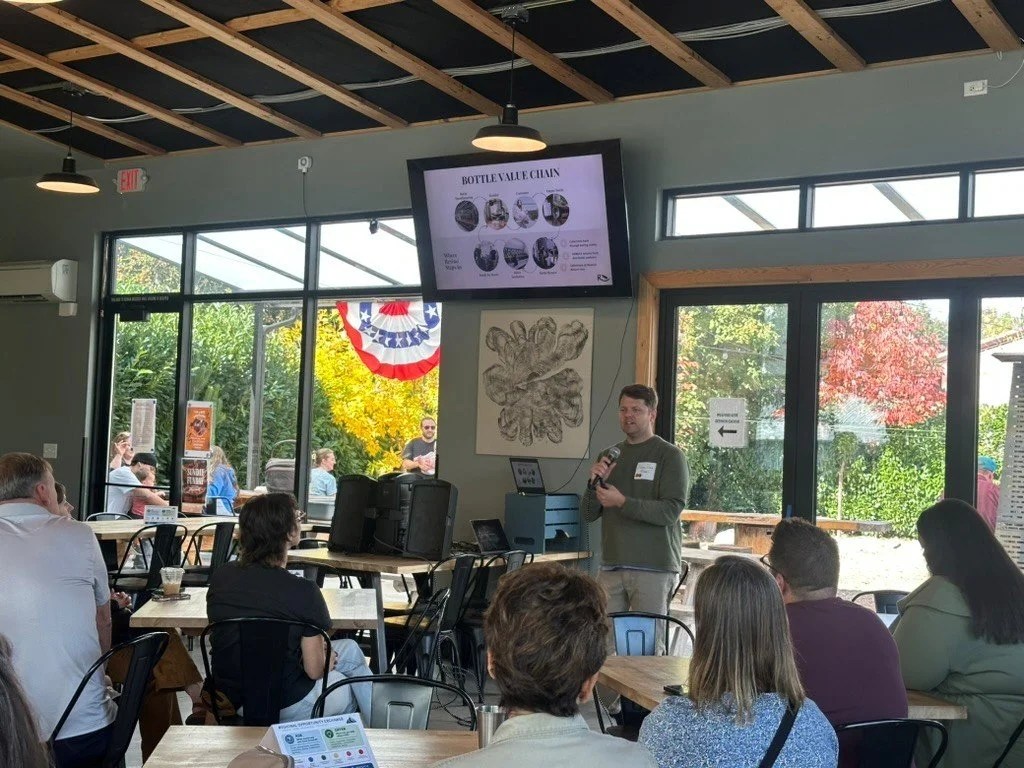
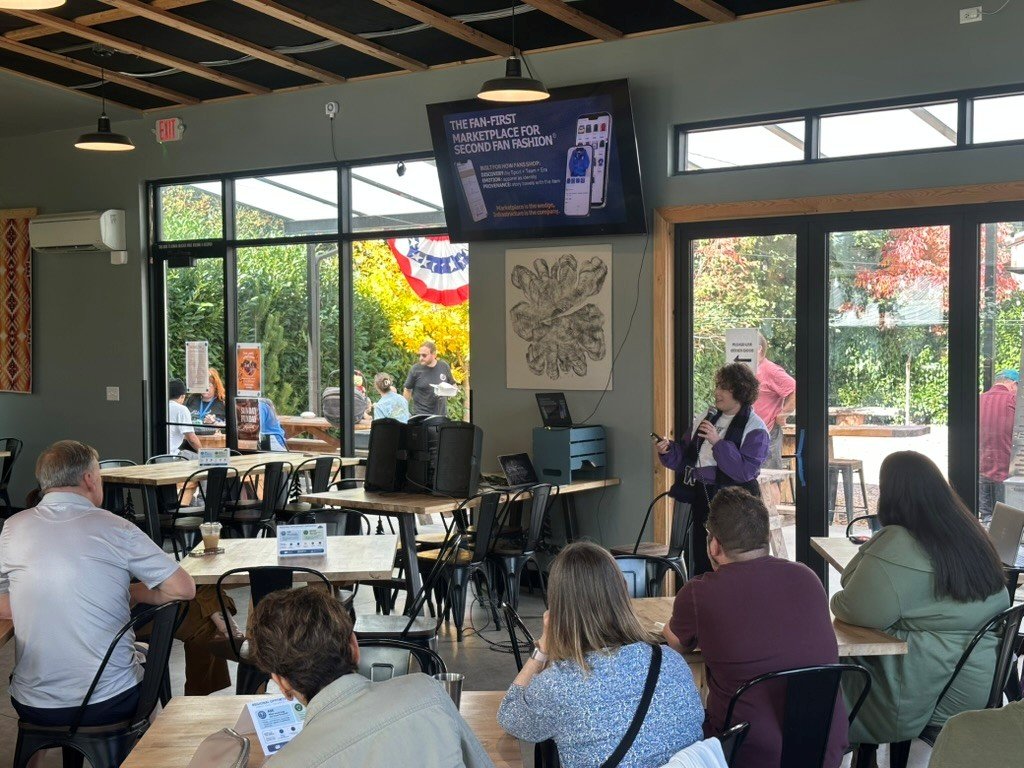
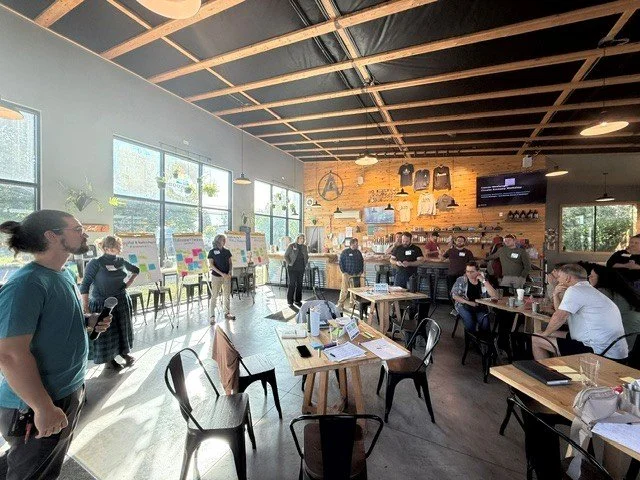
Both workshops featured inspiring spotlights from local circular businesses and NextCycle alumni, followed by a Regional Opportunity Exchange designed to turn conversations into action. Participants shared their asks (what they needed to move forward) and offers (the expertise, materials, or contacts they could provide). Haulers, ports, tool libraries, universities, state agencies, rural recyclers, and makers sat at the same tables - many meeting for the first time.
What We Learned from Each Other
Attendees posted more than 110 asks and offers. Southwest and North Central Washington have very different local economies, yet the same four patterns held in both.
The ideas are there. What's missing is the transportation, facilities, and space to bring them to life. The most frequent asks were physical: a used box truck for pickups and deconstruction, covered lumber storage, a horizontal baler, a building, occasional processing space when a large donation arrives. Reuse operators in Wenatchee, Okanogan and Clark County described the same constraint in different words. These are small capital items that sit between grant programs and conventional lending, and they determine whether a reuse business can grow.
Glass and end markets remain unsolved, especially east of the Cascades. Participants called for regional glass recycling solutions, more stable markets for recyclable materials, and outlets for construction and demolition materials. With the Recycling Reform Act moving Washington toward producer-funded packaging recycling, these regional gaps belong in the conversation now, while program plans are still taking shape.
Support exists, but funding gaps remain. The Department of Commerce, Washington State Microenterprise Association, Ecology, and other partners brought information about grants, microloans, technical assistance, and permitting resources. Yet businesses still struggle to find the right, particularly private-sector investment and financing to launch or scale their operations. The workshops pointed participants toward programs already available and made clear that stronger private-sector capital pathways are still needed.
Shared infrastructure could unlock new opportunities. The Department of Commerce is seeking businesses interested in co-locating to share water, energy, and materials. The Port of Camas-Washougal offered space and infrastructure, while another participant identified surplus wood available for reuse. In Wenatchee, partners floated the idea of a Wenatchee Valley Reuse Commons, building on the Methow Valley's ReMake Commons roadmap. Together, these conversations revealed opportunities for businesses to share resources, reduce waste, and develop collaborative reuse hubs - practical examples of circular economy solutions taking shape at the local level.
Be Part of What’s Next
Apply to the NextCycle WA Circular Accelerator. Applications are open through October 30.
Join the NextCycle Washington Partner Network as a project, network or finance partner.
Discover Reuse Across Washington WA Reuses
Access resources and connections to help your business thrive. Connect with the Good Business Network of Washington
Thank you to the businesses, community organizations, and regional partners who gave their time and ideas at both workshops. We’re grateful to the Good Business Network of Washington for co-hosting, to the Port of Camas-Washougal, the Department of Commerce, the Washington State Microenterprise Association, and Ecology for bringing resources to the table, and to the local circular businesses and NextCycle alumni who shared their stories. Every ask and offer posted is a starting point, and we’re excited to see where these connections lead.